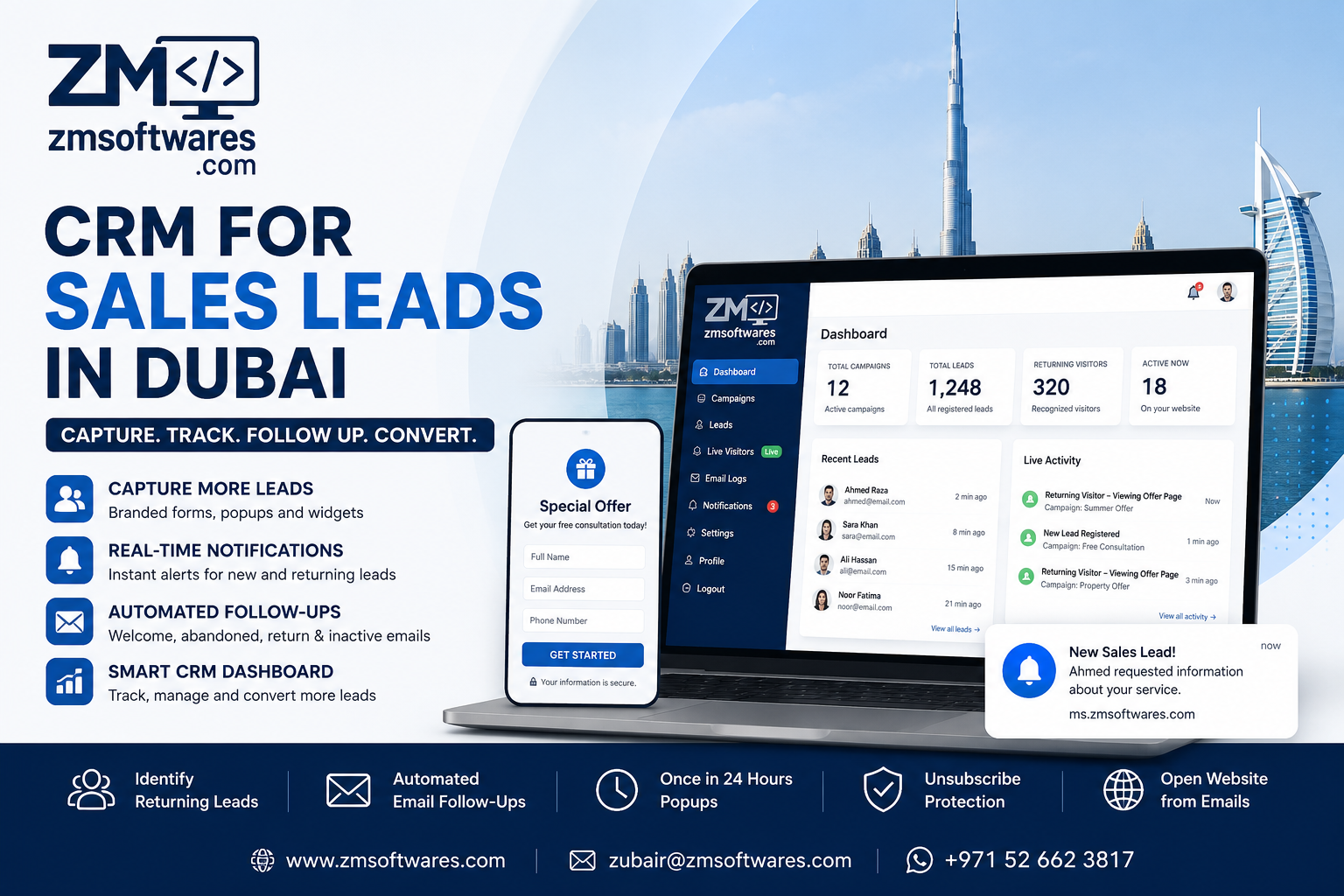
A website does not always need a complete redesign to produce more enquiries. In many cases, the real problem is that visitors do not see a clear next step, the form asks for too much information, or the business follows up too slowly.
Start with one clear action
Every important page should guide the visitor toward one primary action. That action may be requesting a quotation, booking a demo, asking for a callback, or registering for an offer. When several competing buttons appear together, visitors may postpone the decision.
Match the offer to the page
A general contact form is easy to ignore. A focused campaign performs a different role because it connects the form to the visitor’s immediate interest. For example, a facilities management page can offer a site inspection, while a software page can offer a guided demo.
Keep the form simple
Collect only the information needed to start the conversation. Name, email, and mobile number are often enough for the first step. Additional details can be collected after contact has been established.
Use timing carefully
An immediate popup may work for a strong offer, while a popup that appears once every 24 hours may feel less intrusive. The right setting depends on the page, the audience, and the value of the offer.
Follow up while interest is fresh
Capturing the enquiry is only the beginning. A welcome message confirms the request, while activity notifications help the team respond when the lead returns. The objective is not to send more messages; it is to communicate at moments when the customer is most likely to be engaged.
Measure the complete journey
Review which campaigns generate registrations, which pages produce returning activity, and how quickly the team responds. Small improvements to the offer, form wording, and response process can often produce better results without rebuilding the website.